Summary:
- Philanthropy must go beyond immediate relief to help people build wealth and withstand future economic shocks.
- Limited asset ownership perpetuates poverty, leaving vulnerable populations dependent on aid despite ongoing development efforts.
- Integrating ownership into development programs can create lasting economic independence, resilience, and dignity.
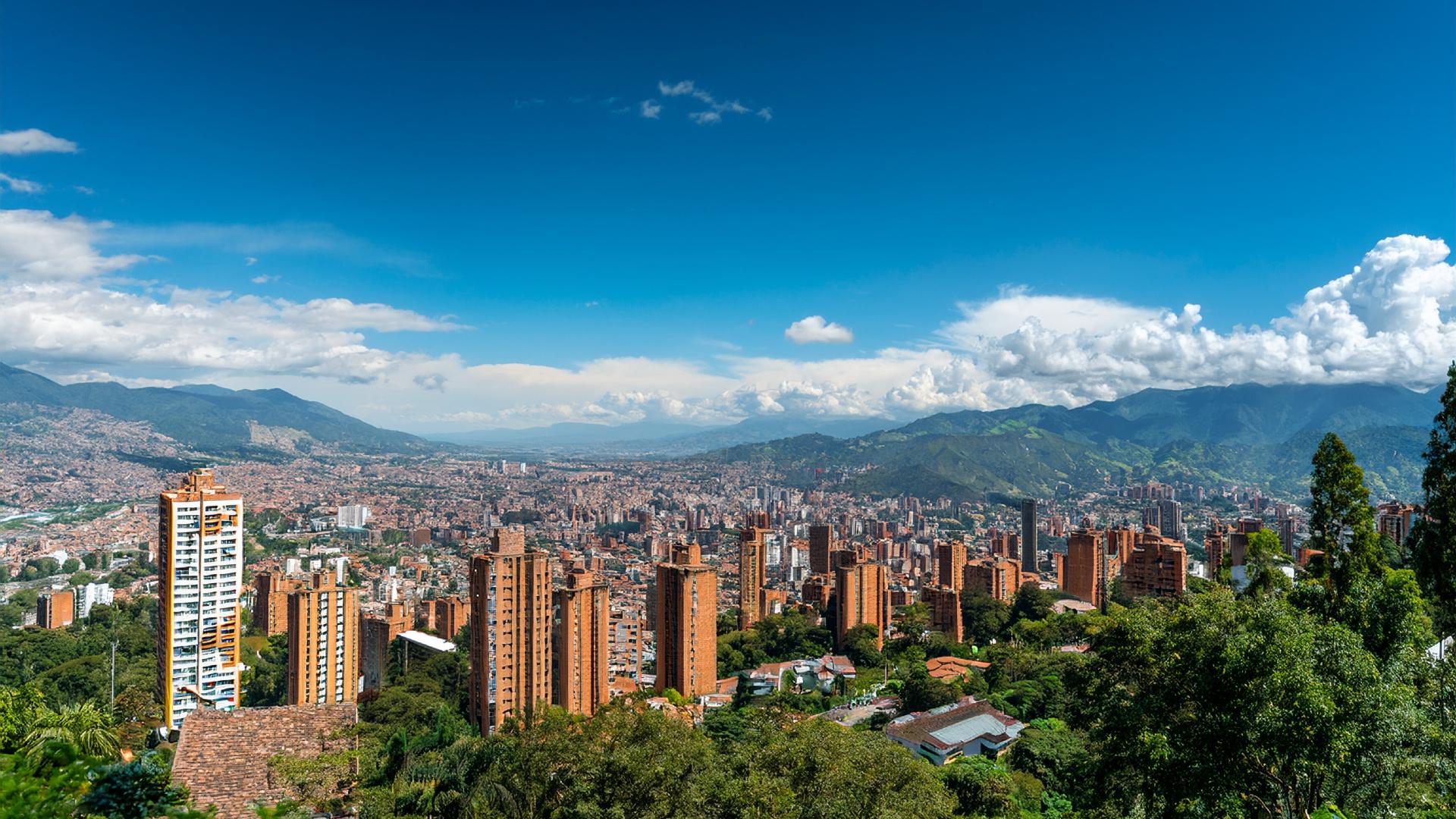
In October, I was invited to speak at a conference organized by the Association of Family and Corporate Foundations in Colombia. This is a group of more than 80 organizations, many of which were started by corporations, wealthy families, and conglomerates, to deepen their impact in the country. Many of these organizations were established by successful families, companies, and family owned businesses who wanted to have more of an impact on the country.
Their goal of impacting Colombia more positively is at the heart of AFE, or Asociacion de Fundaciones Familares y Empresariales. And many of these organizations are doing remarkable work. Here are just a few. I met several organizations working to provide early childhood education to families living in low-income neighborhoods. I spoke to another one that is focused on preventive healthcare practices so people rarely have to go to the hospital in the first place. I also learned of organizations rebuilding homes for people after the August earthquake that struck western Colombia, approximately 150 kilometers from Cali. More than 350 people died and over 255,000 homes were damaged or destroyed. The economic losses are estimated to reach roughly $12 billion. The organization, alongside many others I learned about, is doing important work.
But as I thought more deeply about their work and the predictable nature of the shocks people experience, it became clear to me that, unless the philanthropic sector begins helping people own productive assets and build wealth, much of its progress will remain vulnerable to the next inevitable crisis. Ownership matters because it gives people more than immediate relief. It provides a foundation for generating income, accumulating wealth, and recovering when things go wrong. Although I did not go to Colombia to share that message as strongly as I did, I couldn’t help but notice its importance both there and globally as many brilliant people at incredible organizations work hard to help others.
The importance of this cannot be overstated. In Colombia, a majority of the population does not earn or own enough to handle the myriad shocks that will occur in their lives. In 2024, 50% of adults in Colombia earned just 8% of the income and owned approximately 2% of the wealth in the country. Also, approximately 80% of the population lives on less than $7,300 a year while more than half live on less than $3,650.

In addition, wealth and formality are concentrated in urban areas. Most people who work in rural areas are not only poor, but they also lack access to many of the services that formalization offers such as social security, insurance, access to credit, and so on. This implies that most people in rural areas are living in a state of concentrated poverty and compounded struggle with little help on the way.

That’s bad for a myriad of reasons. Here are two. First, it puts a massive strain on the system. These organizations will have to raise more money to keep serving this population, often in the same way. Second, it offers little hope that progress is possible. One can imagine a development worker who has been making steady progress for a decade, only to learn how a major shock sends her progress back to square one. That is debilitating.
So, what can these organizations do?
Begin to build ownership into their programs. At first, this will be difficult and might complicate the mission for which most of these organizations were set up. However, it provides a powerful way to serve the poor. Imagine an organization that provides homes for people also providing jobs and an ownership stake in the construction company that provides the building materials. Or consider another organization that provides food to struggling families similarly providing jobs and an ownership stake to beneficiaries in the businesses that grow, process, and distribute the food.
Providing homes, food, healthcare, and education are good things. But without helping people build the capacity to withstand life’s inevitable shocks, much of the progress these interventions create will remain vulnerable. We must begin designing initiatives that not only meet people’s immediate needs but also help them build wealth and economic independence. That way, people become less dependent on aid and increasingly more capable of solving their own problems. That is the essence of true dignity and should be the purpose of development.