Summary:
- ZARC reduces uncertainty in agriculture: By combining climate, soil, and crop data, Brazil’s Agro-Climate Risk Zoning system helps farmers decide what, where, and when to plant, helping lower the risk of crop failure and improving productivity across the entire agricultural ecosystem.
- ZARC unlocks finance and strengthens the system: Because ZARC makes outcomes more predictable, it enables access to credit and insurance (often requiring compliance), reduces fraud, and aligns incentives across farmers, lenders, and insurers helping save billions and improve system-wide efficiency.
- A model for market creation through intelligence: ZARC shows how better “theory + intelligence” can transform a high-risk sector by embedding data into policy and infrastructure. Brazil turned agriculture into a more reliable, investable market, offering a blueprint for other countries facing similar uncertainty.
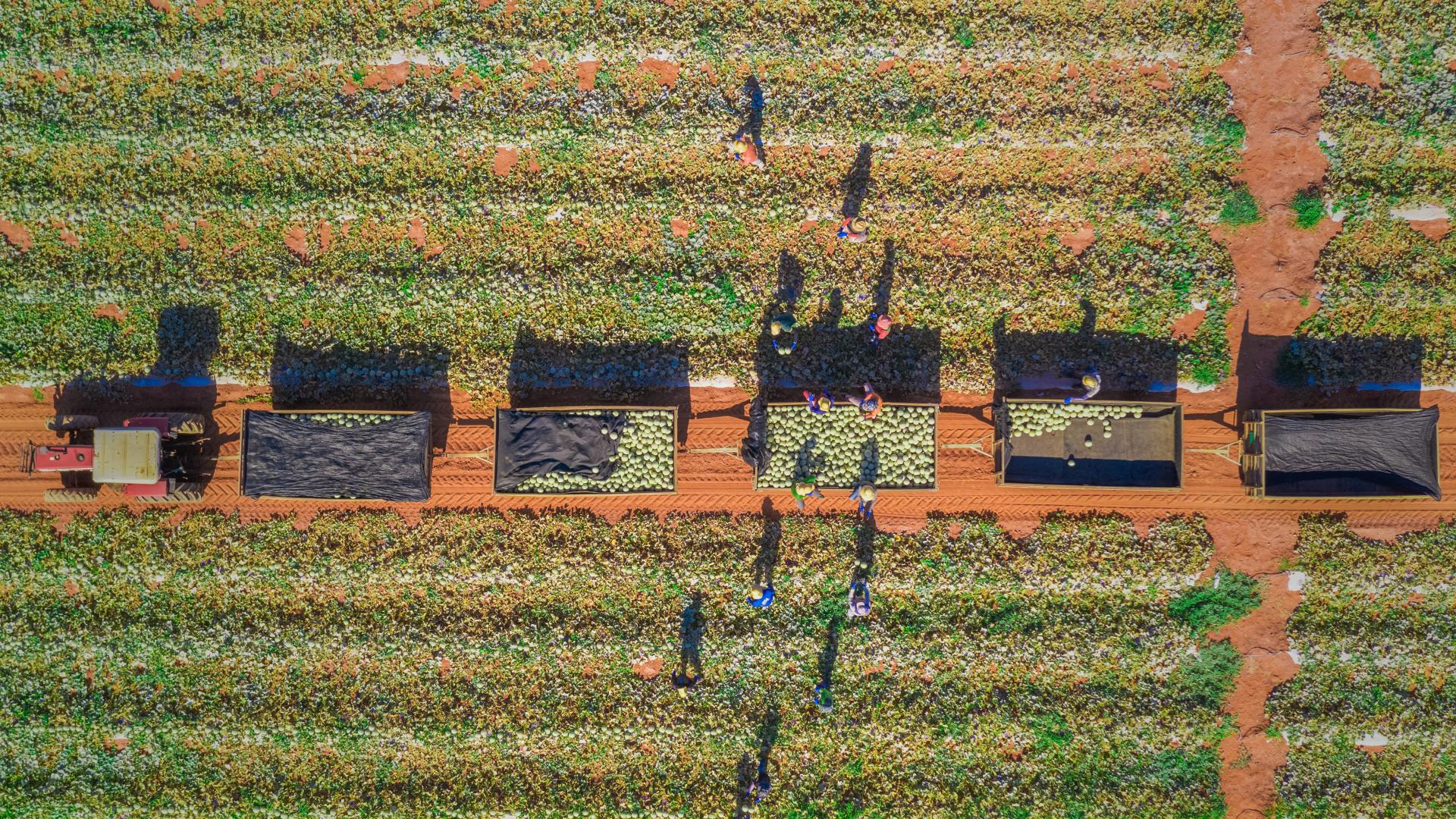
ZARC is a national agricultural risk management system that uses climate, soil, and crop data to determine the most productive time, place, and crop a farmer should plant. It effectively helps them determine where and when planting is viable and how risky it is by informing farmers of the probability of crop failure. ZARC integrates historical weather data, soil characteristics, crop physiology, and cultivar cycles.
It is the best thing to a crystal ball a stakeholder in Brazilian agriculture has. This includes farmers, financiers, suppliers, and buyers. When everyone in the system has a better idea what will happen, this makes the system more robust.
This is important because even today, the vast majority of smallholder farmers in Africa, Asia, and other low- and middle-income economies do not have access to improved farming methods and intelligence that can help them make better decisions. This limits their ability to access capital to grow and improve their operations.
Since inception, ZARC has saved the Brazilian government more than six billion dollars. In 2021 alone, the initiative saved Brazilian agriculture more than $1.5 billion, according to a report from Embrapa (Brazilian Agricultural Research Corporation). Without ZARC, farmers are more likely to plant at the wrong time and in unsuitable areas, which increases the risk of crop failure and lowers overall yields. ZARC also reduces the opportunity for insurance fraud when farmers deliberately plant during high-risk periods to claim compensation. Some financial institutions now make the granting of credit conditional to the adoption of ZARC.
It is difficult to estimate ZARC’s adoption impact on society, but a short Embrapa report puts just the economic impact at close to $400 million annually, after calculating the costs and benefits to farmers.
One of the things that ails investing in agriculture in poor countries is our inability to perfectly predict the future. If that were possible, every investment would be done with a high level of confidence and assurance. But that’s not the case. There are inherent risks in investing in something that is, by its very nature, unpredictable. This is where theory and intelligence helps.
A theory is a statement of causality which helps us understand what causes what, and why?
Intelligence is the ability to learn, acquire knowledge, think critically, and make effective decisions. Gathering more and more intelligence leads to better theories which help us better predict the future.
This is exactly what Brazil’s Agro-Climate Risk Zoning (ZARC) has done with tremendous impact on the lives of farmers, Brazilians, and the hundreds of millions of people worldwide who benefit from Brazil’s $100 billion plus agricultural industry.
But ZARC started out from much more humble beginnings. It was created as a technical tool to reduce crop failure due to climate and weather variability for farmers. It published its first report in 1996 for wheat to identify where and when it could be planted more reliably.
By the 2000s, ZARC expanded dozens of crops across all regions of Brazil. Crucially, ZARC planting guidelines were integrated into government policy. For example, the Proagro and PSR programs which provided farmers access to rural insurance, credit, and compensation to farmers required compliance with ZARC.
From the late 2010s to today, ZARC has become a core component of Brazil’s agricultural insurance and finance ecosystem. It has not only become a decision tool that farmers can access digitally, but it also serves as a climate adaptation mechanism which helps the country respond to droughts, floods, and variability in weather.
ZARC now underpins the agricultural system in Brazil. It helps reduce production risk, almost guarantees higher productivity, lowers insurance costs, and accelerates access to credit for those not seen by the banks.
Every farmer struggles with the fear of making the wrong decision. Consequently, every stakeholder who supports farmers struggles with the same thing. Will the harvest be plentiful? Will the rains come? Will the soil hold? Will I be able to pay back my loans?
ZARC worked because Brazil built the infrastructure to make it easy for farmers to make these decisions. Governments and development partners across the world can learn from ZARC by focusing on the struggles that farmers face and then developing the appropriate innovation to help them succeed. Only then will capital flow, food production increase, and many jobs be created.